
Structural Repairs That Extend Infrastructure Life
Manhole, Utility Structure & Chimney Seal Rehabilitation in Fitchburg for municipalities addressing aging underground infrastructure
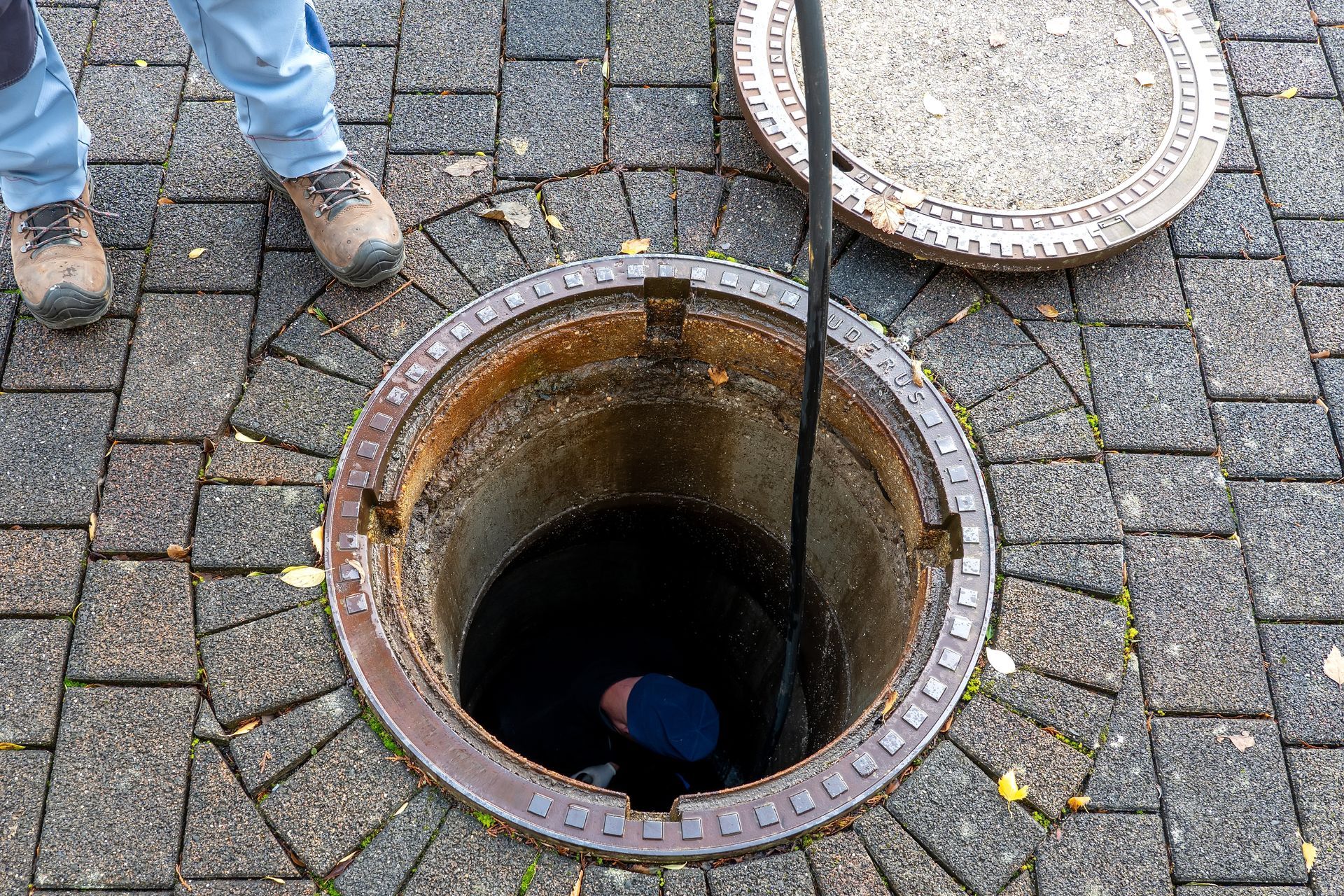
Groundwater entering sanitary sewer systems through deteriorated manholes increases treatment costs and system capacity demands when inflow and infiltration contribute volume that should never reach wastewater facilities. Martinez Road Construction, Inc rehabilitates aging manholes and underground utility structures to improve structural integrity and system performance across Fitchburg and Worcester County. Services include manhole leveling that corrects settlement, frame and grate adjustments that restore proper access at finish grade, brick and concrete rehabilitation that addresses deterioration, casting adjustments for roadway alignment, and chimney seal installation designed to reduce inflow and infiltration.
Rehabilitation methods extend infrastructure life while minimizing disruption to surrounding roadways and utilities. Chimney seal systems fit over the top of manhole chimneys beneath the frame and cover, creating a watertight barrier that prevents groundwater from entering through the joint between the chimney and casting, a common infiltration point in older structures where mortar has deteriorated or settlement has created gaps.
Schedule a structure evaluation to assess rehabilitation needs and identify opportunities to reduce infiltration while improving access and structural stability.
What Changes After Manhole Rehabilitation
Rehabilitation addresses structural problems that develop over decades of traffic loading, freeze-thaw cycles, and exposure to wastewater environments. Manhole leveling corrects settlement that creates hazards for vehicles when frames drop below pavement surfaces, frame and grate adjustments restore alignment after roadway resurfacing changes finish grades, and brick or concrete repairs restore structural integrity when materials deteriorate from chemical exposure or age-related degradation.
After rehabilitation, manhole frames sit flush with pavement surfaces without creating impacts that damage vehicles or pose safety hazards, covers remain securely seated instead of rattling under traffic, and chimney seals reduce the volume of groundwater entering sanitary systems during wet weather or snowmelt periods. Structures regain load-bearing capacity that prevents further deterioration, and castings adjusted to proper elevations allow maintenance access without requiring excavation to reach covers positioned below grade.
Specialized repair services improve reliability and reduce future maintenance costs by addressing root causes rather than applying temporary fixes. Work includes assessment of structural conditions before rehabilitation begins, selection of repair methods appropriate to the type and extent of deterioration observed, and coordination with traffic control requirements when work occurs in active roadways.
Answers to Frequent Service Questions
Manhole and utility structure rehabilitation involves evaluation of existing conditions, selection of appropriate repair methods, and coordination with system operations to maintain service during construction.
What causes manholes to require rehabilitation over time?
Traffic loading creates stress that cracks brick and concrete, freeze-thaw cycles cause deterioration in joints and mortar, chemical exposure from wastewater degrades materials, and settlement creates misalignment between frames and pavement surfaces, all of which compromise structural integrity and allow infiltration.
How do chimney seals reduce inflow and infiltration in sanitary systems?
Seals create watertight barriers over the joint between manhole chimneys and castings where groundwater commonly enters, preventing surface water and snowmelt from flowing into sanitary sewers through gaps that develop as mortar deteriorates or structures settle, reducing the volume of water that must be treated at wastewater facilities.
When should municipalities consider manhole rehabilitation rather than replacement?
Rehabilitation becomes cost-effective when structural components remain fundamentally sound despite surface deterioration, when infiltration problems can be resolved through sealing rather than full reconstruction, or when frame adjustments and localized repairs restore function without the disruption and expense of complete replacement.
What methods are used for brick and concrete rehabilitation in utility structures?
Deteriorated mortar is removed and replaced with materials resistant to chemical exposure, cracked or spalled concrete is repaired with cementitious products designed for wastewater environments, and coatings may be applied to interior surfaces to slow future degradation in structures subject to ongoing chemical exposure.
How are frame and grate adjustments coordinated with roadway construction in Fitchburg?
Adjustments occur during or immediately after paving operations to match new pavement elevations, castings are raised or lowered to achieve flush alignment with finished surfaces, and traffic control protocols allow work to proceed safely in active travel lanes while maintaining access for emergency vehicles and local traffic.
Martinez Road Construction, Inc provides municipalities, utility authorities, and contractors with rehabilitation services that address structural deterioration and infiltration problems while extending the useful life of underground infrastructure. Request a rehabilitation estimate to discuss structure conditions, repair methods, and project scheduling for your utility infrastructure improvement program.