
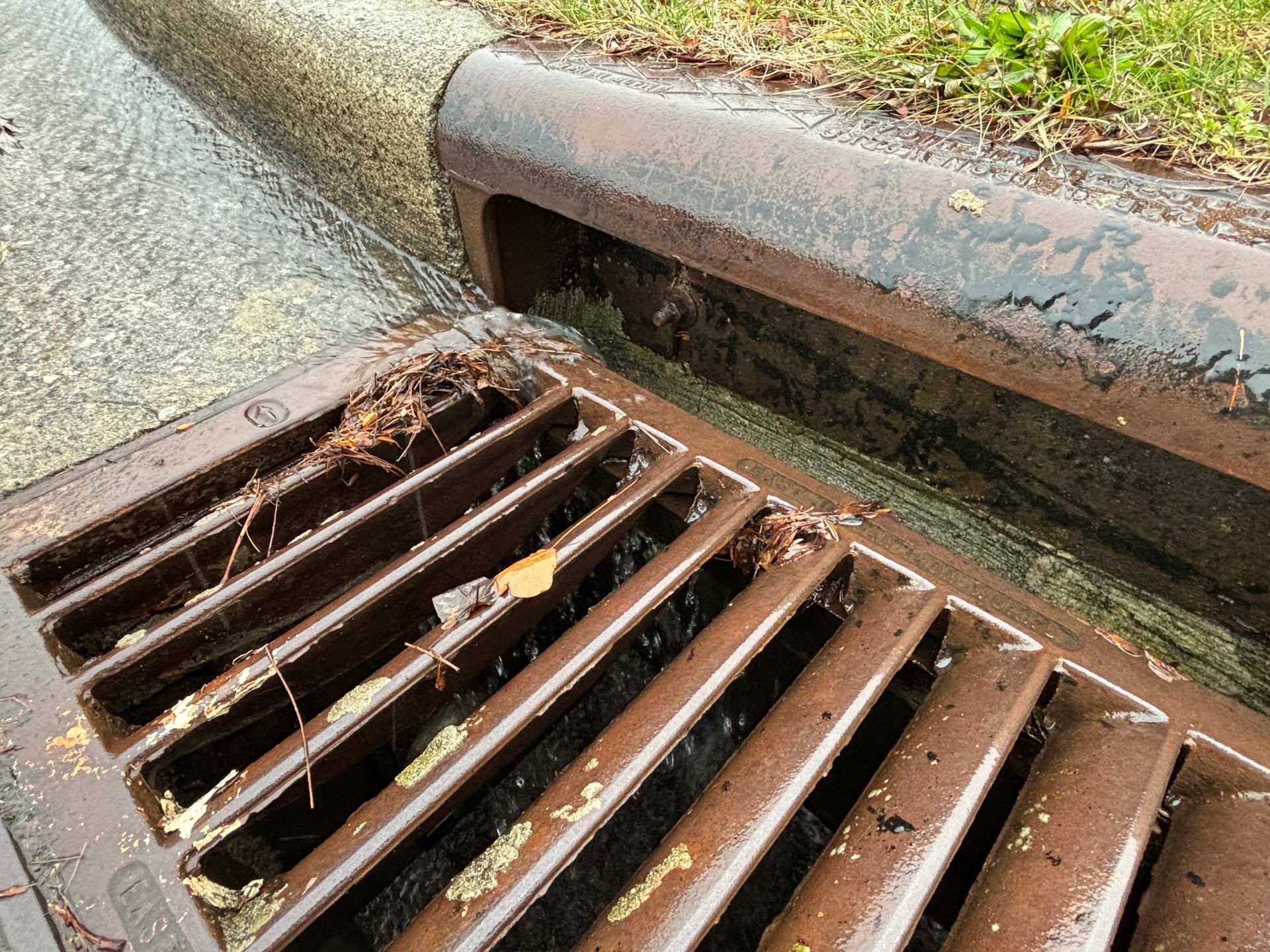
Drainage That Prevents Roadway Flooding
Storm Sewer & Catch Basin Construction in Fitchburg for developments and municipalities managing surface water runoff
Surface water collects in roadways, parking areas, and development sites whenever drainage systems lack capacity or proper grading directs flow toward structures rather than away from them. Martinez Road Construction, Inc constructs storm drainage systems designed to collect, manage, and direct surface water away from roads, developments, and public infrastructure across Fitchburg and Worcester County. Installation includes storm drain piping, catch basin construction, culverts that convey flow beneath roadways, retention systems that temporarily store runoff, and concrete stormwater structures built to municipal specifications.
Drainage solutions help reduce localized flooding by capturing surface water before it accumulates in low areas, conveying flow through underground piping at grades that prevent sediment deposition, and discharging runoff into retention areas or existing drainage networks designed to handle volume without overwhelming downstream systems. Accurate grading and proper drainage design determine whether stormwater moves efficiently or creates standing water that damages pavement and disrupts site use.
Schedule an on-site assessment to evaluate drainage requirements and review stormwater management solutions for your commercial or municipal infrastructure project.
How Storm Systems Manage Surface Water Long-Term
Storm drainage construction involves positioning catch basins at low points where surface water naturally collects, installing underground piping at slopes that maintain flow without allowing sediment to settle, and constructing outlets that discharge runoff without causing erosion or flooding at downstream locations. Catch basins include sumps that trap debris and sediment before they enter piping, reducing the blockages that would otherwise restrict flow during heavy rainfall events common to the region.
After construction, roadways drain quickly following rainstorms without water pooling in travel lanes or pedestrian areas, parking lots remain usable during wet weather instead of becoming inaccessible due to standing water, and retention systems temporarily store runoff during peak flow periods before gradually releasing water at controlled rates. Catch basins remain accessible for periodic cleaning that removes accumulated sediment before it reduces capacity or enters downstream piping.
Construction practices include durable underground infrastructure built with concrete pipe, reinforced concrete catch basins designed for vehicular loads, and properly compacted backfill that prevents settlement around structures. Projects coordinate with site grading plans to ensure positive drainage toward collection points, avoid conflicts with existing utilities identified through locate services, and comply with municipal stormwater management regulations that govern discharge rates and water quality treatment.
Common Questions About This Service
Stormwater infrastructure projects involve design considerations, material selection, and coordination with site conditions that affect system performance and longevity.
What determines catch basin placement during storm drainage construction?
Basins are positioned at low points where surface grading naturally directs water, at intervals that prevent runoff from bypassing inlets during heavy rainfall, and upstream of critical areas where flooding would disrupt traffic or damage property, with spacing calculated based on pavement slope and expected flow volume.
How do retention systems reduce downstream flooding?
Retention basins temporarily store stormwater runoff during peak flow periods, then release water gradually through controlled outlets at rates that downstream systems can accommodate without overflowing, reducing the sudden surges that cause flooding and erosion during intense rainfall events.
When should existing storm drainage be replaced rather than supplemented?
Replacement becomes necessary when existing piping no longer conveys flow due to sediment accumulation or structural failure, when catch basins have deteriorated to the point where frames and grates no longer support traffic loads safely, or when system capacity cannot be increased through additional inlets alone.
What factors affect storm drainage performance in Fitchburg and Worcester County?
Seasonal freeze-thaw cycles can displace catch basin frames if not properly installed, rapid snowmelt during spring produces flow volumes that exceed summer storm calculations, and groundwater levels affect excavation depth and foundation stability for underground structures requiring dewatering during construction.
How are concrete stormwater structures designed for long service life?
Structures use reinforced concrete designed to support vehicular loads without cracking, frames and grates are secured to prevent displacement during plowing or traffic impact, and joints are sealed to minimize infiltration that would saturate surrounding soils and cause settlement over time.
Municipalities, developers, and contractors partner with Martinez Road Construction, Inc to implement stormwater infrastructure improvements that manage runoff effectively and support site development goals. Contact the company to discuss drainage design, construction timelines, and project coordination for your storm sewer or catch basin installation project.